Publications
Research reports and analysis on digital manipulation and information influence
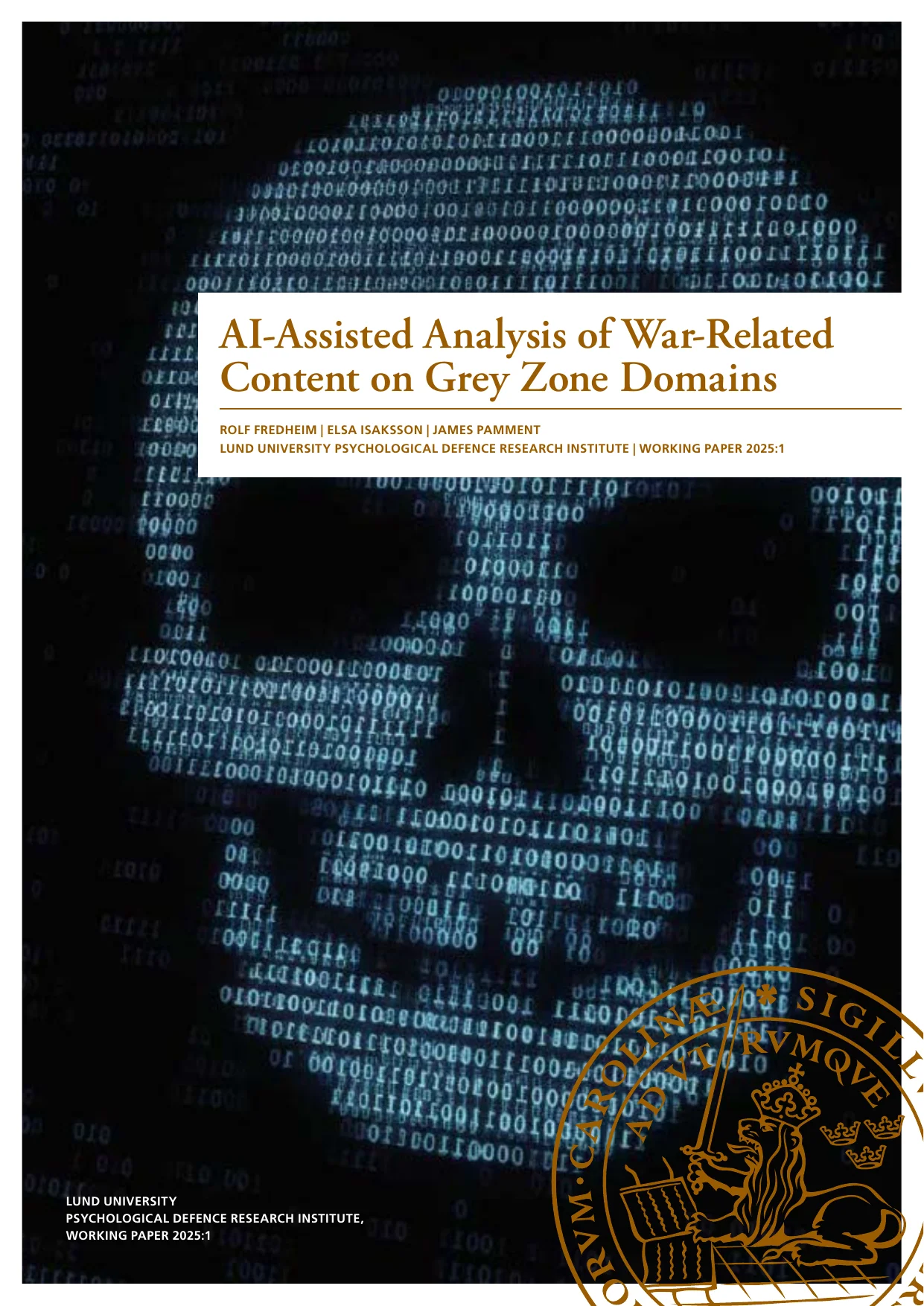
Lund University Psychological Defence Research Institute · December 2025
AI-Assisted Analysis of War-Related Content on Grey Zone Domains
Working Paper 2025:1
Grey zone domains aggregate violent content from messaging apps and social media, reaching hundreds of thousands of views per post. We built an AI-assisted system to analyse this content while minimising analyst exposure. About 17% of posts related to ongoing conflicts.
Read more →
Place Branding and Public Diplomacy · February 2024
Assessing the risks and opportunities posed by AI-enhanced influence operations on social media
Generative AI makes disinformation campaigns easier to produce at scale. But the same tools can power countermeasures. This paper examines both the threats and defensive potential.
Read more →
NATO StratCom COE · December 2023
Verified Propagandists and the Hamas-Israel War
Virtual Manipulation Brief 2023/2
Fabricated imagery and synthetic audio targeting political opponents emerged as manipulation tactics during the Hamas-Israel war. The report also examines VKontakte's evolution into Russia's 'everything app' for digital operations.
Read more →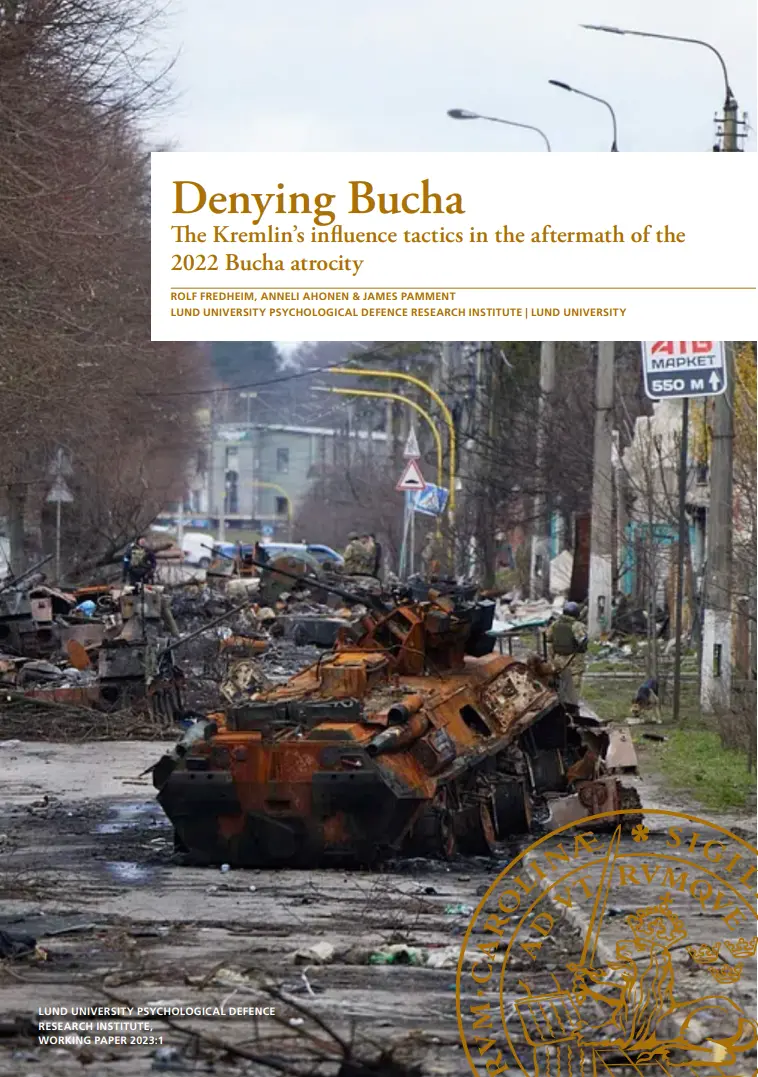
Lund University Psychological Defence Research Institute · November 2023
Denying Bucha
The Kremlin’s influence tactics in the aftermath of the 2022 Bucha atrocity
After the Bucha atrocities in March 2022, the Kremlin launched coordinated propaganda to mislead domestic and international audiences. This report maps those influence tactics across social media.
Read more →
NATO StratCom COE · June 2023
Generative AI and its Implications for Social Media Analysis
Virtual Manipulation Brief 2023/1
LLMs like GPT-4 can generate content indistinguishable from real accounts. But defenders can use the same tools: careless implementations expose bots, and targeted prompts can make chatbots reveal themselves.
Read more →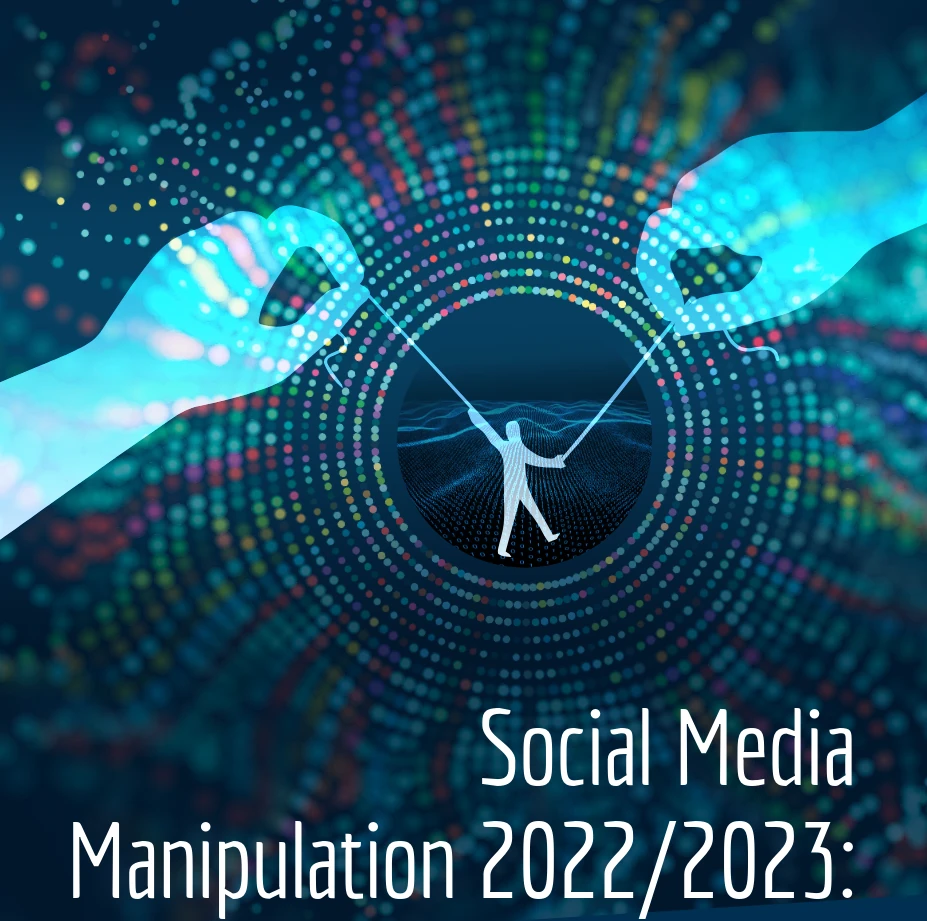
NATO StratCom COE · March 2023
Social Media Manipulation 2022/2023
Assessing the Ability of Social Media Companies to Combat Platform Manipulation
Social media companies continue to fail at preventing commercial manipulation. In our fourth experiment, none of the platforms improved since 2021. Collectively, their ability to prevent manipulation decreased.
Read more →
NATO StratCom COE · October 2022
Russia's Struggle to Circumvent Sanctions and Communicate its War Against Ukraine
Virtual Manipulation Brief 1
How did Russian-language online conversation change after the invasion? Bots and trolls adapted their tactics across platforms to spread disinformation about the war.
Read more →